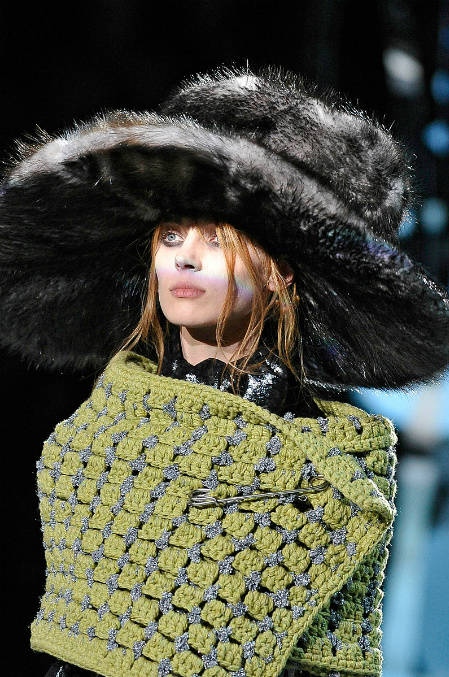

Wool is one of the most popular fibers for the yarn that knitters and crocheters use in your work. It is great for many reasons, but it is not without its controversy. This article explores wool from many different angles. We’ll look at types of wool and wool yarns, different phrases used in reference to wool, pros and cons of crocheting with wool, wool events and more.
What is Wool?
Wool is actually a more confusing term that you might think. In the United States it is generally accepted that when you talk about wool, you are talking about the fiber made from the fur of sheep. However, wool around the world sometimes includes the fur fiber of other animals including cashmere from goats, angora from rabbits, and qiviut from the muskox.
Types of Wool

Even when you limit the term wool just to sheep’s wool, there are still many, many types of wool to choose from. Each different type of sheep produces different wool. Just listen in on yarn spinners chatting for a short period and you’ll hear about Merino Wool, Blue Faced Leicester, Finn, Jacob, Cormo, Flakland, Shetland, Corriedale, Romney, Polwarth, Icelandic Leadersheep, Gotland, Wensleydale, Friessian, Cheviot, Clun Forest, and Coopworth sheep wool. Wow!
Each of the wool’s has different thickness or coarseness, which relates (at least in part) to the crimp of the fiber. The crimp refers to the fineness of the wool so a wool like merino, which is very fine, may have 100 crimps per inch and a really coarse wool may have only 5 crimps per inch. The fibers also vary in length and this affects the feel of the yarn, too. You aren’t likely to need to know this as a crocheter, but it’s helpful to know as a spinner!
Types of Wool Yarns
Things get even more detailed when you talk about wool yarns, because these yarns may be any of those sheep wool fibers but they can also be blends. The blend can be a mixture of different wools or the blend can be any of those wools mixed with another fiber such as silk. Each wool yarn is going to have a different feel, a different drape and possibly a different purpose in your crochet work.
Some of the wool yarns / wool blend yarns I’ve worked with include:

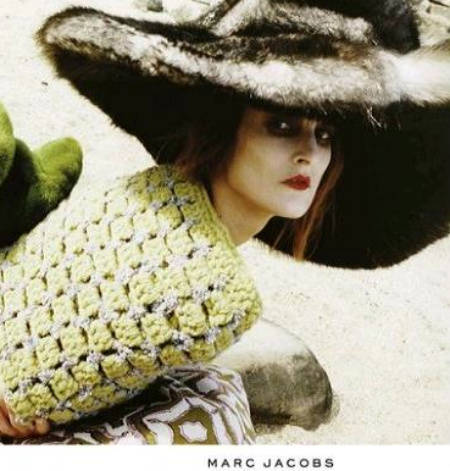

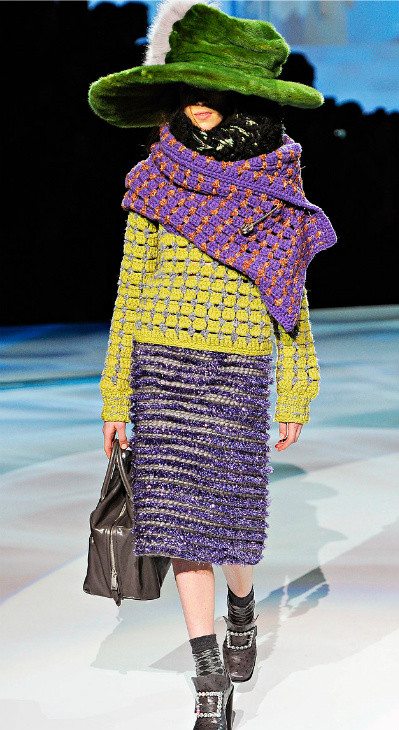
 . Hwe went to Parsons, graduating in 1984, and presented his own first collection two years later. He has worked with a number of big names, and since 1997 has been the chief designer at Louis Cuitton. In 2000 he launched his own brand name collection which is known for celebrating girliness in untraditional ways.