img 6361

How to Make T-Shirt Yarn for Crochet and Knitting Projects

How to Make T-Shirt Yarn for Crochet and Knitting Projects

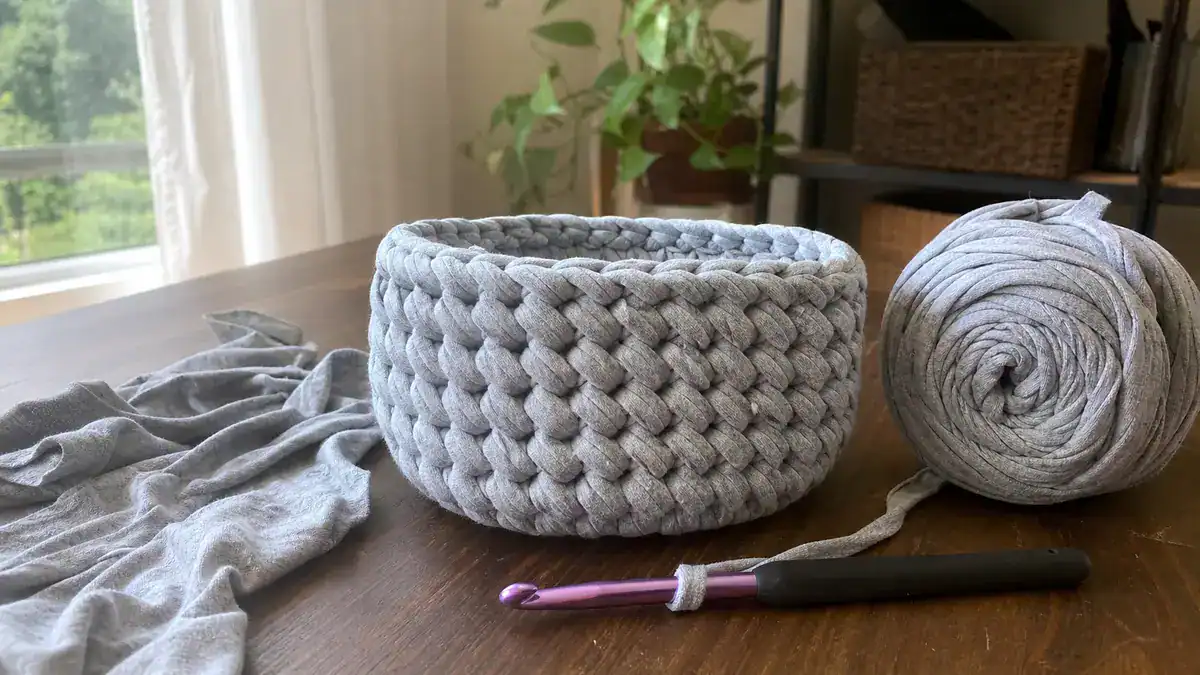
I recently received some free T-shirts from Shirts.com to use to test out their tutorial for How to Make T-Shirt Yarn. Although I’ve made rag rug crochet items before, I’ve never actually used t-shirts and I’ve never made tarn so it was new to me. I followed their tutorial without any problems and easily made my T-shirt yarn. Check out their post for the full instructions. Below you can see my step-by-step process in photos.

how to make t-shirt yarn for crochet

Read more

VStitchMainImage

How to Crochet V-Stitch

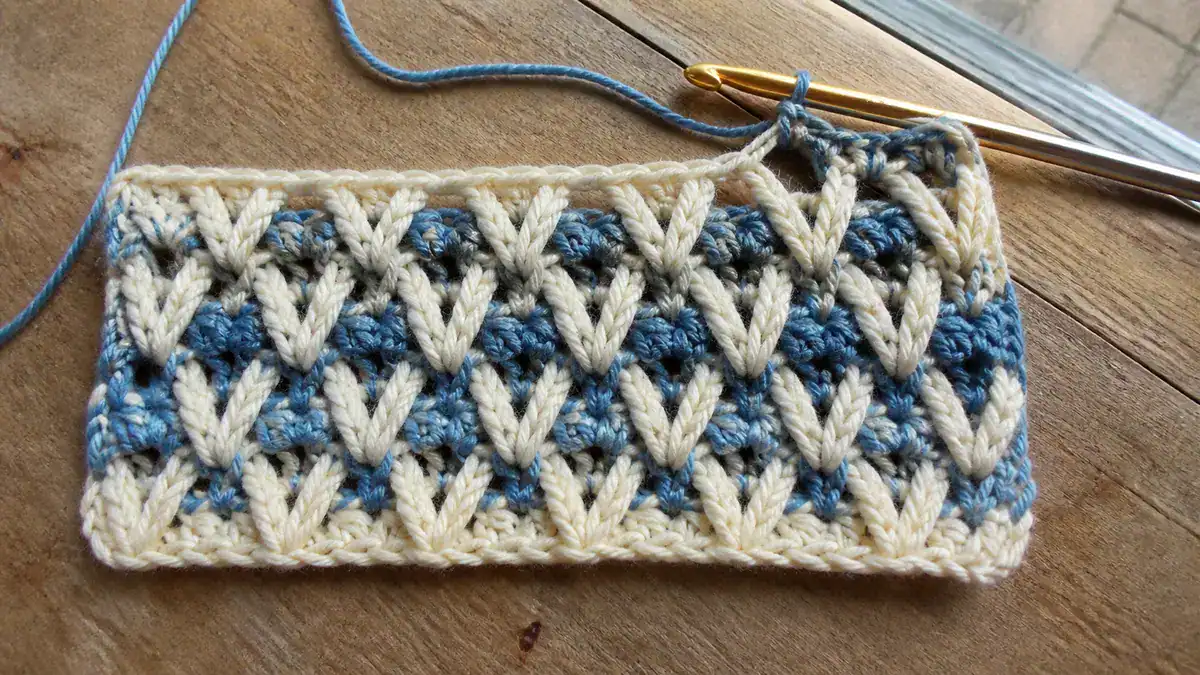
The V-Stitch is a simple crochet stitch that is created by working two double crochet stitches into the same stitch and separating them with a chain space. This creates a lovely open design that works up quickly and can be used to make a variety of different projects from scarves to blankets.

Basic Crochet V-Stitch

BasicV 

The single V-Stitch is worked with the following three steps:

Step One: DC into stitch

Step Two: Ch 1

Step Three: DC into same stitch

This creates one V-stitch.

V-Stitch Rows

VStitchRows

Read more

Screen shot 2013 10 29 at 7.22.15 PM

10 Wonderful Crochet Stitch Tutorials

I’m continuing on with my roundup this month highlighting things from each of my Pinterest boards. Today I’m looking at my Crochet Stitches Pinterest Board. When I first started it I pinned my favorite images of crochet stitches there, even if they were just pictures, but now I mostly link to tutorials and instructions for crochet stitches.

block stitch crochet

Block Stitch Crochet Afghan Tutorial via homemade@myplace

crejjtion crochet stitches

5 Crochet Stitch Patterns via CreJJtion

Read more

Crochet Basics: How to SC, HDC, DC and TR

Early on in the writing of this blog I put together a series of How To posts for the basic crochet stitches, so I thought that today I’d aggregate those all in one space here for people who want them. Below you will find written instructions, images, video tutorials, links and more for the sc, hdc, dc and tr. Enjoy!

How to Single Crochet Stitch

how to single crochet

Single crochet looks like this! image source

One of the most basic things that you learn when you first start learning how to crochet is how to single crochet. When looking at crochet patterns, the crochet abbreviation for single crochet is (sc).

Written instructions for how to crochet single crochet

  • Crochet the length of foundation chain that you want to use.
  • Turn the piece so that you are ready to start your single crochet.
  • Insert the crochet hook into the second chain away from the hook.
  • Yarn over.
  • Pull through the chain.
  • Yarn over again.
  • There will be two loops on the chain at this point. Pull the yarn through both of these loops.

That’s it; that’s single crochet. Of course, those are just the instructions for the first row on a turning chain. The instructions are slightly different if you’re working into another row of single crochet, but they aren’t too different. They are as follows:

  • Turn your piece so that you are ready to begin your next row of single crochet.
  • Chain one before doing anything else. This is your turning chain.
  • Insert the hook into the first stitch of the row (the single crochet that is immediately next to the turning chain you’ve just created).
  • Yarn over.
  • Pull through the stitch.
  • Yarn over.
  • Pull through both loops on the chain.

Pictures of how to single crochet

Not everyone learns well from written instructions. It might help to look at these pictures of how to single crochet that come from TLC:

knitting instructions 31aknitting instructions 31bknitting instructions 31c

Video instructions for how to single crochet

Read more

fiber farm

Everything You Ever Wanted to Know About Wool Yarn

Wool is one of the most popular fibers for the yarn that knitters and crocheters use in your work. It is great for many reasons, but it is not without its controversy. This article explores wool from many different angles. We’ll look at types of wool and wool yarns, different phrases used in reference to wool, pros and cons of crocheting with wool, wool events and more.

What is Wool?

Wool is actually a more confusing term that you might think. In the United States it is generally accepted that when you talk about wool, you are talking about the fiber made from the fur of sheep. However, wool around the world sometimes includes the fur fiber of other animals including cashmere from goats, angora from rabbits, and qiviut from the muskox.

Types of Wool

sheep

Even when you limit the term wool just to sheep’s wool, there are still many, many types of wool to choose from. Each different type of sheep produces different wool. Just listen in on yarn spinners chatting for a short period and you’ll hear about Merino Wool, Blue Faced Leicester, Finn, Jacob, Cormo, Flakland, Shetland, Corriedale, Romney, Polwarth, Icelandic Leadersheep, Gotland, Wensleydale, Friessian, Cheviot, Clun Forest, and Coopworth sheep wool. Wow!

Each of the wool’s has different thickness or coarseness, which relates (at least in part) to the crimp of the fiber. The crimp refers to the fineness of the wool so a wool like merino, which is very fine, may have 100 crimps per inch and a really coarse wool may have only 5 crimps per inch. The fibers also vary in length and this affects the feel of the yarn, too. You aren’t likely to need to know this as a crocheter, but it’s helpful to know as a spinner!

Types of Wool Yarns

Things get even more detailed when you talk about wool yarns, because these yarns may be any of those sheep wool fibers but they can also be blends. The blend can be a mixture of different wools or the blend can be any of those wools mixed with another fiber such as silk. Each wool yarn is going to have a different feel, a different drape and possibly a different purpose in your crochet work.

Some of the wool yarns / wool blend yarns I’ve worked with include:

Read more